

The idea of “Right to Light” is a vital aspect of property ownership that is commonly underestimated but can have substantial implications for both residential and commercial developments. Fundamentally, this legal right ensures that properties receive adequate natural light through windows, enabling a livable and enjoyable environment. Understanding the nuances of Right to Light and its importance can help property owners protect their investments, prevent disputes, and enhance the value of their properties.
As urban development progresses , the equilibrium between recent construction and the rights of existing property owners becomes ever more crucial . When planning an extension or a new building, it is essential to take into account how these projects may impact neighboring properties and their access to light. This article will explore the multiple aspects of Right to Light, including its legal foundations, the impact of building projects, and practical steps property owners can take to protect their rights. Whether you are a homeowner, a developer, or a property professional, understanding your rights and obligations in relation to natural light can help you navigate the complexities of property law with confidence .
Grasping Right to Light Laws
Laws about right to light provide property owners the the legal entitlement to receive natural light through their windows. Such rights is usually established through long-standing use and can have significant implications for both residential and residential and commercial properties. In the UK, the right of light is derived from common law and is governed by various statutory provisions. It ensures that existing buildings continue to enjoy the same level of natural light, protecting them from potential barriers caused by neighboring developments.
The significance of these laws cannot be overlooked, as they directly impact the value and enjoyment of a property. For property owners, protecting their right to light can improve the overall quality of living or working spaces. Conversely, when a new development threatens to block natural light, it may result in disputes between neighbors. Understanding the regulations is crucial not only for property owners but also for developers who should take into account the consequences of their projects on existing rights.
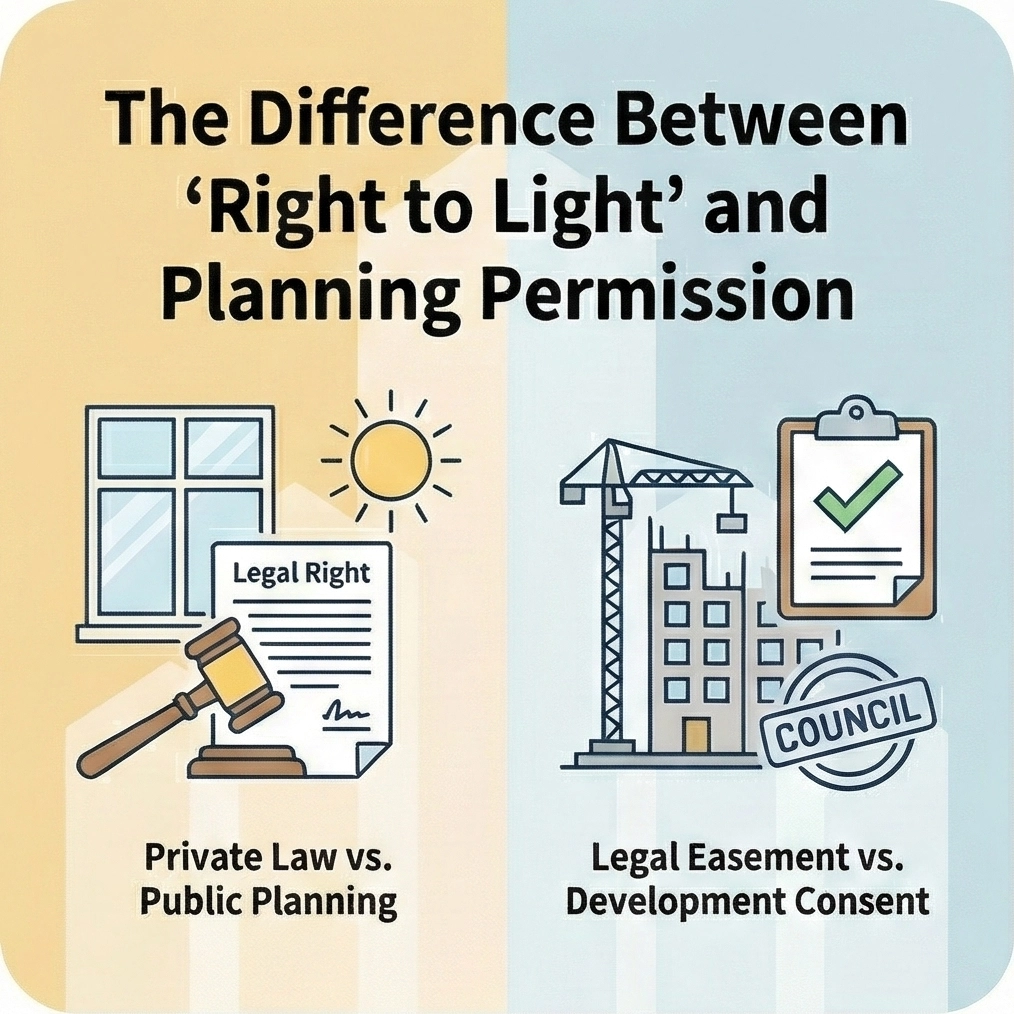
Lawsuits can be initiated if a neighbor's construction violates the established right to light. However, this doesn't imply that all new constructions can be prevented; factors such as planning permissions and the extent of the violation are evaluated. Therefore, property owners should consult legal professionals and surveyors to understand their rights and explore possible solutions before turning to litigation.
Effects of Right to Light on Construction
The Light Rights can considerably affect development initiatives, as property owners must take into account the natural light access of neighboring properties. When designing new constructions or extensions, builders need to assess how their projects may obstruct light for neighboring structures. An infringement upon a neighbor’s right to light could not only lead to possible disputes but may also result in costly modifications or even project cancellations.
Moreover, right to light assessments help identify issues early in the construction process. By performing these assessments, builders can comprehend how planned blueprints affect the existing environment and how they might affect surrounding structures. This foresight allows for modifications to be made that enhance adherence with right to light regulations, minimizing the risk of future legal challenges related to natural light access.
Lastly, the presence of right to light concerns often plays a critical role in securing development approval. Local authorities typically regard light access as an important factor when reviewing construction applications. If Additional hints is likely to impede light for existing buildings, it may face resistance from local residents or planners, leading to holdups or the need for revamps. Hence, addressing light rights issues proactively is vital for a successful development process.
Resolving Right to Light Disputes
Tackling right to light disputes often begins with honest discussions among the affected parties. Participating in a positive conversation may assist address worries and could yield mutually agreeable solutions bypassing resorting to litigation. Landowners or property owners need to approach their surrounding community courteously and be open to discuss the effects of upcoming projects on natural light. Being attentive to each other's perspectives can often highlight mutual concerns that might not have been initially apparent.
If discussions do not yield acceptable outcomes, pursuing an intermediary can be an useful course of action. Mediation involves a neutral third party who facilitates a discussion intended to finding a mutually agreeable resolution. This process might help save time and money in contrast to going to court, making it a preferable choice for numerous. All involved can express their concerns as they seek a compromise that takes into account the requirements of all parties, which could result in changes in construction schedules that minimize disruption.
If these strategies are found ineffective, court proceedings may be necessary. Seeking advice from with attorneys who specialize in land use regulations is essential in this situation. Such professionals can provide advice on the validity of your claim or response regarding light access issues. Filing court actions in court is often complicated, and securing a lawyer protects that your rights are upheld throughout the proceedings. It is compile appropriate evidence and documentation to strengthen your claim, demonstrating the effects on daylight from the counterparty's building actions.