

In the world of automotive performance, vehicle tuning has gained significant traction as a way to enhance car capabilities and on-road encounters. If you want a boost in horsepower, better gasoline economy, or a more active motor, tuning your vehicle’s ECU can unlock hidden capabilities that producers often leave unexploited. As cars become increasingly complicated with modern technology, grasping what car remapping is and the way it works has never been more crucial for motorists looking to make the most out of their cars.
With many benefits associated with professional car remapping, such as higher pulling power and improved fuel economy, it is no wonder that countless drivers are considering this upgrade. Still, navigating the domain of tuning can be complicated, with multiple phases, techniques, and considerations to keep in mind. From distinguishing between generic and custom remapping to grasping the impact on coverage and guarantees, there is much to discover. This article will serve as a complete guide, providing insightful information into the revolutionary power of vehicle remapping and why more motorists are choosing this route to improve their vehicle’s performance.
Understanding Vehicle Remapping
Vehicle remapping is the method of modifying a vehicle's Engine Control Unit (ECU) software to enhance performance attributes. The ECU controls various engine operations and settings, from fuel injection to ignition timing. By modifying these parameters, remapping can result in enhancements in horsepower, torque, and overall performance. The procedure involves accessing the car's ECU with specialized software and equipment, allowing tuners to enhance the engine's performance according to the driver's requirements.
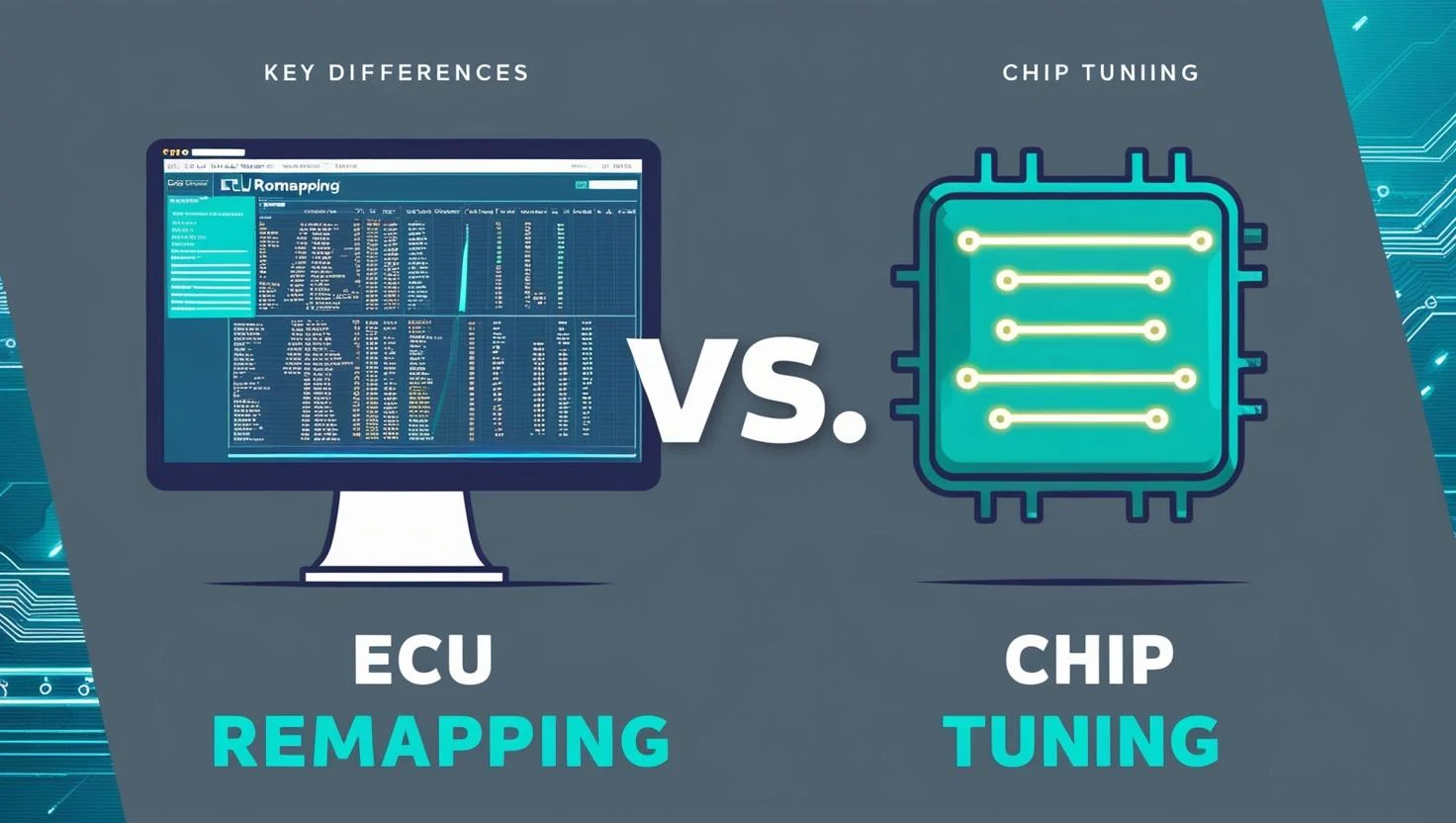
The benefits of car remapping are numerous. With expert remapping, drivers often see a significant boost in performance without the need for costly hardware changes. This software-based adjustment can boost fuel efficiency, accelerate acceleration, and provide a more engaging driving experience. It is also a adaptable solution that can cater to various requirements, whether for daily driving, towing ability, or performance-focused enhancements, making it an enticing option for many vehicle owners.
Before modifying a car, comprehending the specific needs and consequences is crucial. Not all vehicles are appropriate candidates for remapping, so it is crucial to take into account factors like the engine model, existing changes, and how the changes may impact the vehicle's coverage and warranty. Additionally, distinguishing between generic and tailored remapping options can aid ensure that the remapping service matches well with the owner's goals and the vehicle's performance, leading to an optimal enhancement journey.
Advantages and Factors to Consider
Vehicle remapping offers a range of advantages that can significantly enhance your driving experience. One of the key benefits is the boost in horsepower and torque, which can lead to improved acceleration and overall performance. This can transform the way your car responds to the throttle, providing a more exhilarating ride. Additionally, ECU Remapping Wolverton report improvements in fuel efficiency, allowing for cost reduction at the pump while enjoying enhanced power. This dual benefit makes remapping an appealing option for both car lovers and regular motorists looking to optimize their vehicle's capabilities.
However, it is essential to consider the possible drawbacks of car remapping. One major concern is the impact on your car warranty and insurance. Modifying the engine's parameters may invalidate certain warranties or affect insurance policies, so it's crucial to check with your dealer and insurer before proceeding. Moreover, incorrect remapping can lead to stress on the engine, negatively affecting reliability and longevity. Therefore, choosing a qualified remapping specialist is essential to ensure that the adjustments made are secure and suitable for your specific vehicle model.
In parallel to looking for professional help, understanding the various levels of remapping, such as Stage 1, Stage 2, and Stage 3, is important. Each stage offers different degrees of performance enhancement, which means drivers need to evaluate their performance needs along with the related costs. While a Stage 1 remap may be suitable for those looking for a slight boost in power, higher stages might require further modifications and come with increased risks. By carefully assessing these elements, drivers can make informed decisions that best align with their performance goals and ensure a satisfying remapping experience.
Picking a Remapping Expert
Choosing the best remapping expert is crucial for achieving the optimal performance for your vehicle. Start by investigating local specialists and checking testimonials from former clients. A reputable specialist should have solid experience in the field, qualifications, and a strong understanding of different vehicle makes and motor types. Look for testimonials that speak to their skills and customer service, as a favorable reputation can frequently be an mark of quality work.
It's crucial to consider the kind of tuning available, whether it is standard or tailored remapping. Custom remapping solutions are typically customized to your particular vehicle and driving habits, providing improved efficiency gains. Inquire possible specialists about the technology they use, such as the programs and devices they rely on for ECU tuning. A technician who uses cutting-edge, modern tools is better positioned to deliver satisfactory results.
In conclusion, talk about any concerns you may have regarding warranty and insurance implications. A professional should be open about how their services could affect these aspects. Ask about their process, how long the remapping is projected to require, and what kind of help they provide after the remap is done. Choosing a skilled and trustworthy remapping specialist will guarantee that your vehicle's capabilities is fully unlocked while upholding its longevity and reliability.